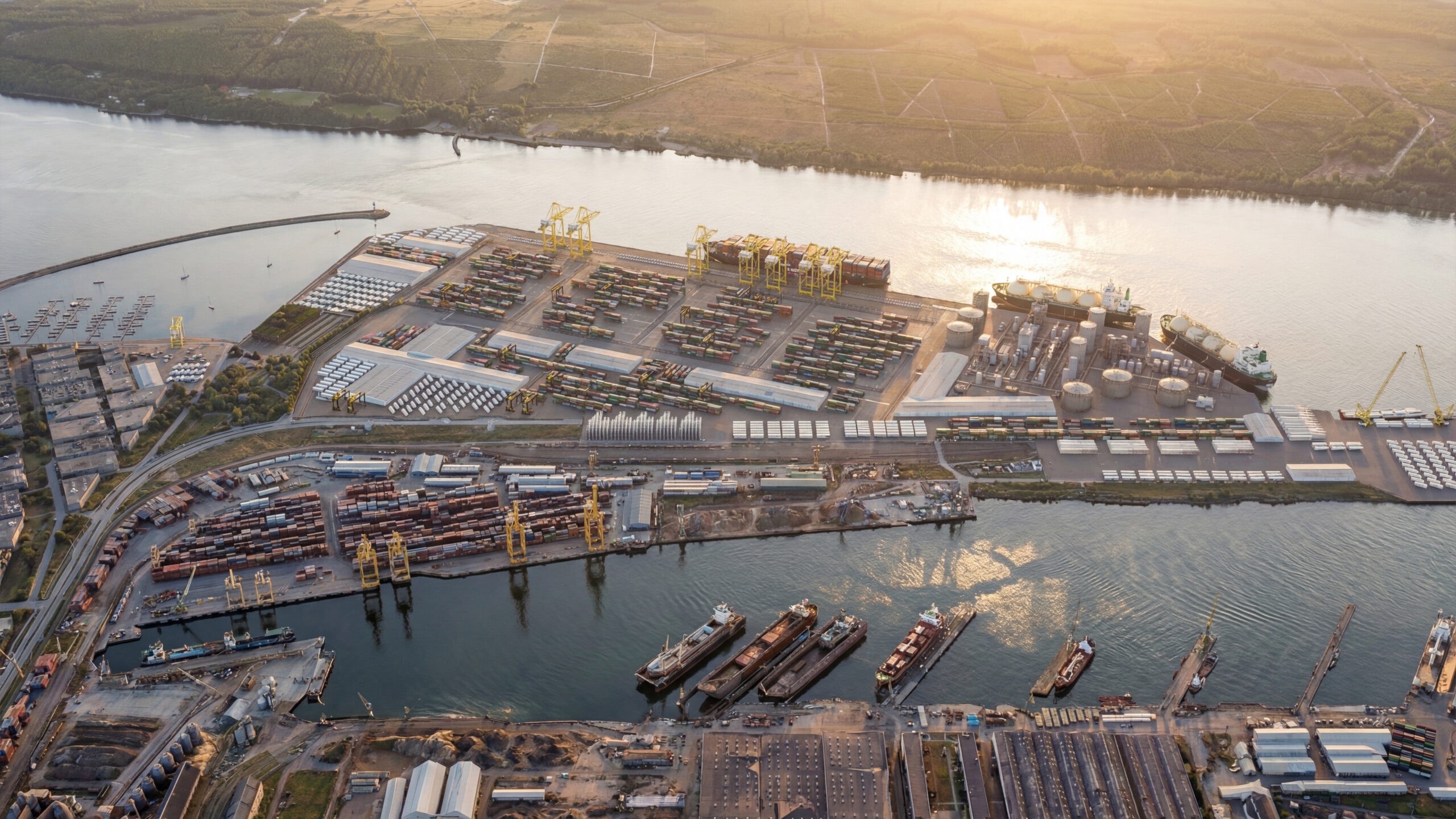
Klaipėda Port reports growth and expanding Baltic market share
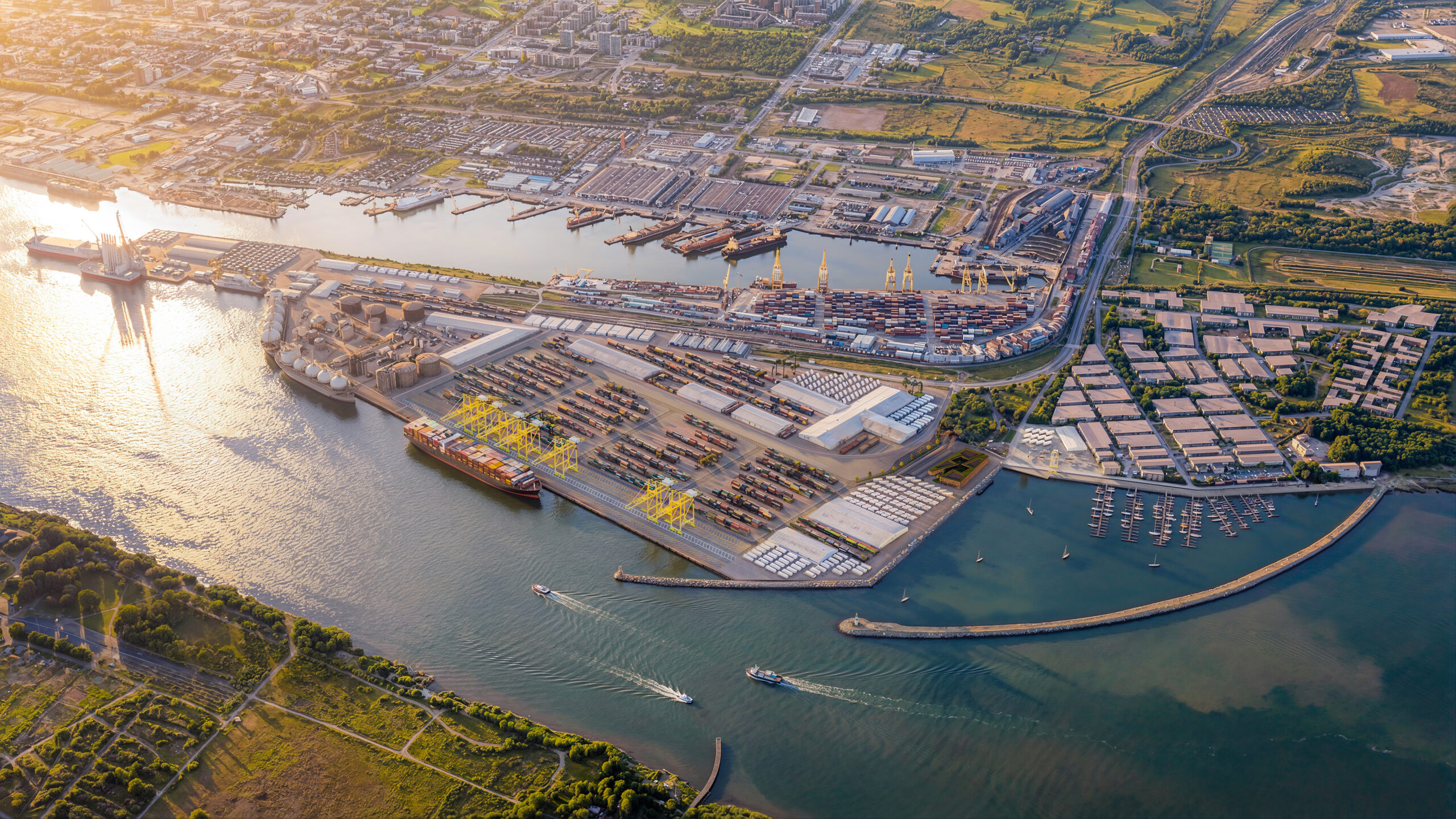
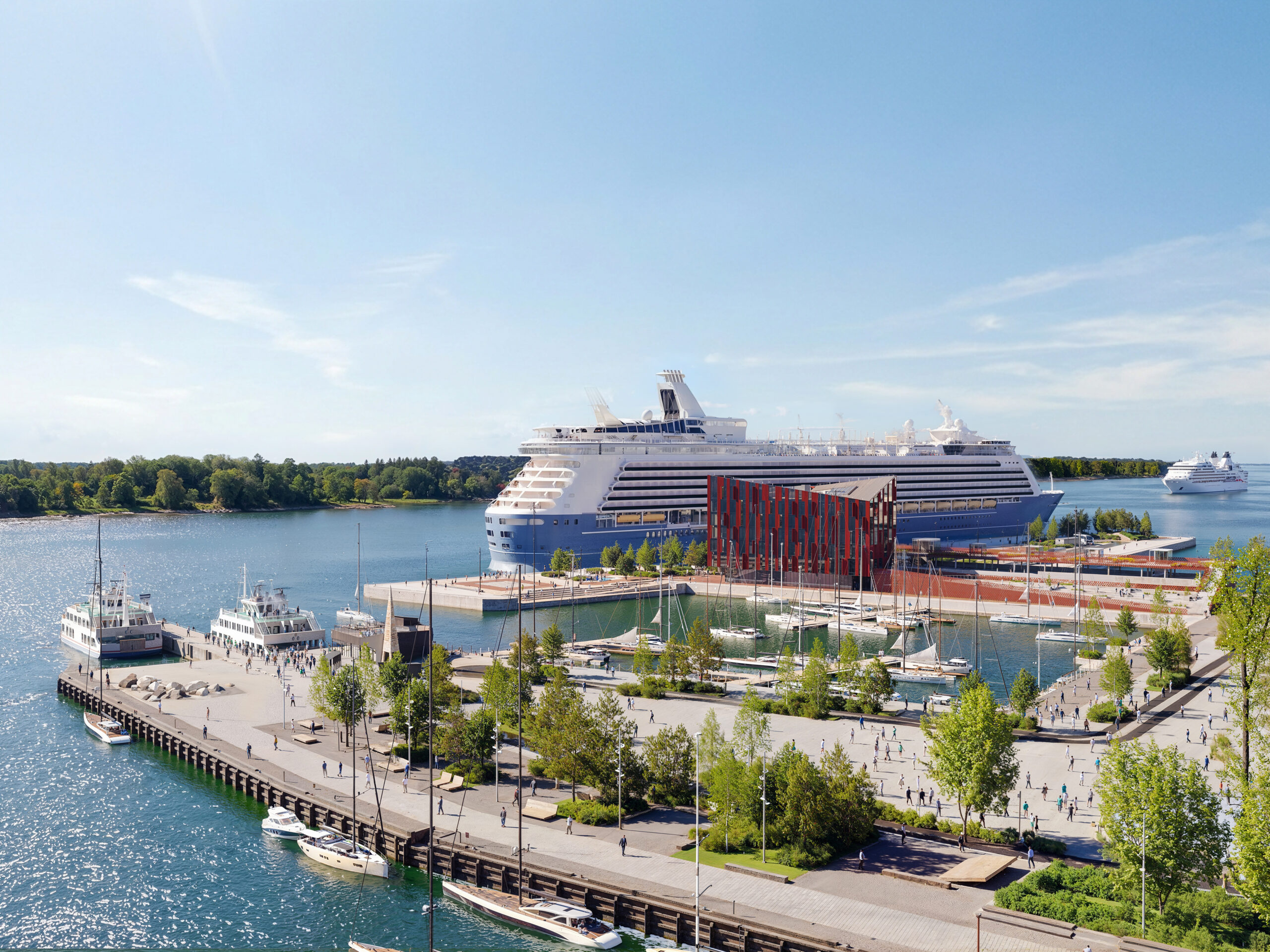
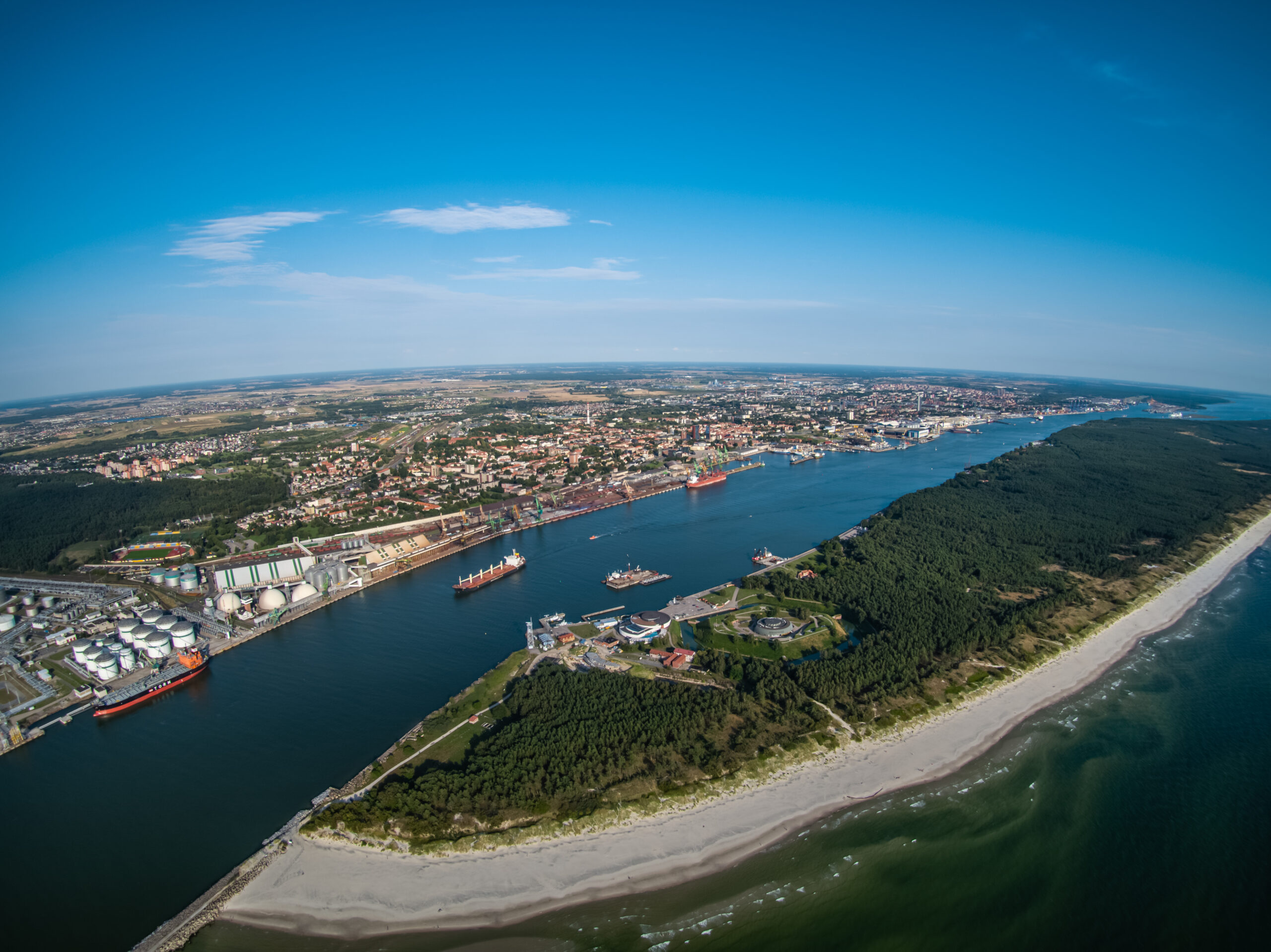
The Port of Klaipėda delivered a strong performance in the first half of the year, demonstrating resilience in a changing market environment and further strengthening its position as the leading port in the Baltic States. Cargo handling volumes increased across most key segments, driven by growth in container traffic, maritime transit and the ship repair industry.
“The Port of Klaipėda is highly diversified, and that is one of the key elements of its success,” Latakas said in a statement. “Despite everything that is happening – not only the war but also its consequences, including sanctions and tariffs – the first half of the year was very good in terms of cargo handling.”
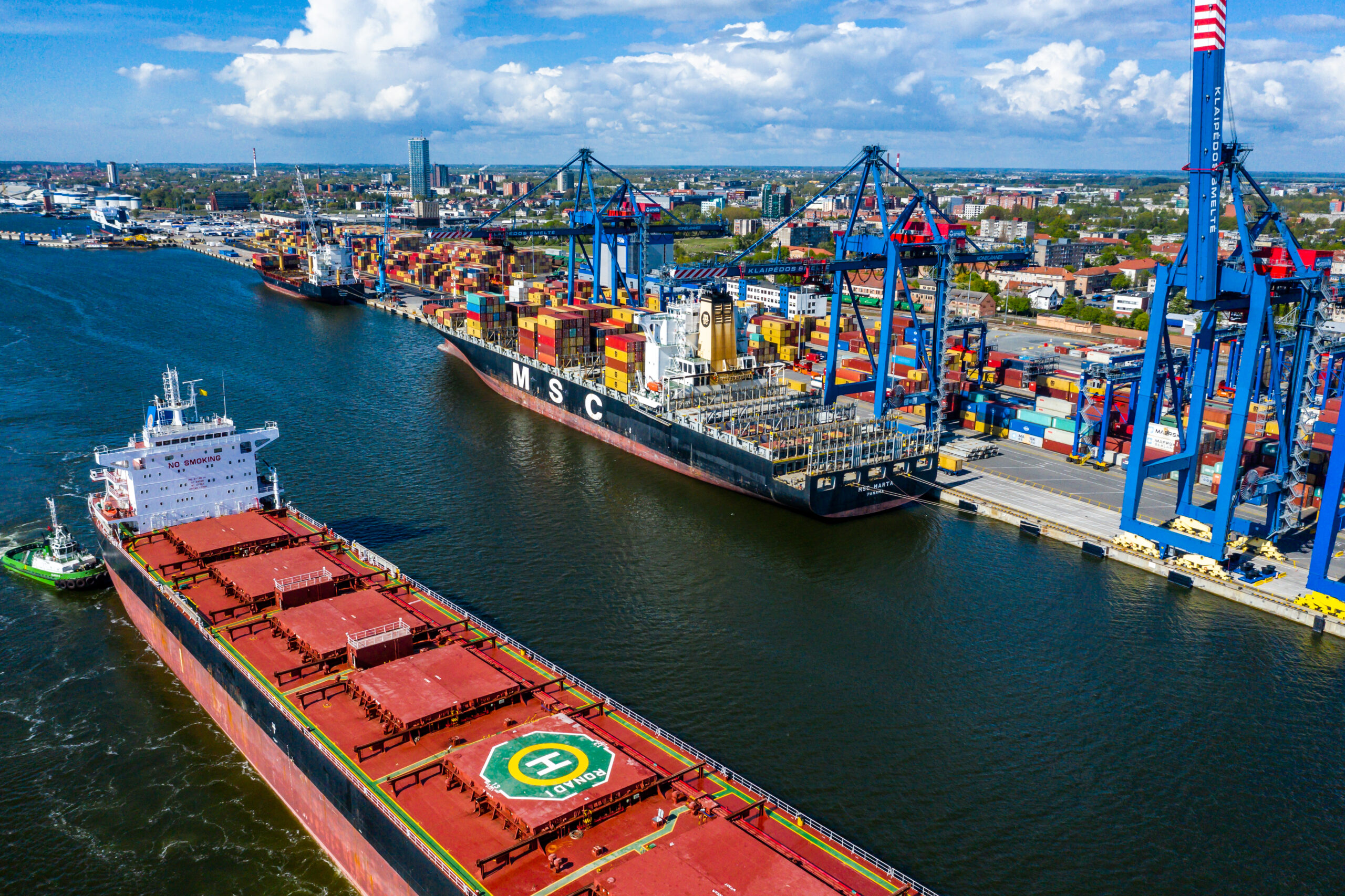
Containerised cargo, the port’s largest cargo segment, remained the key growth driver. During the first six months of the year, Klaipėda handled 7.2 million tonnes of containerised cargo, 12% more than in the same period of 2025. In terms of container throughput, the port entered the second half of the year having processed nearly 700,000 TEU. The increase was fuelled by rapidly growing sea transit volumes, the launch of a new deep-sea shipping service linking Klaipėda directly with Asia, the continued expansion of short-sea shipping services, and long-term investments in port infrastructure.
The Ro-Ro segment also continued to grow. Cargo carried by ferries reached almost 3.4 million tonnes, representing a 4% increase. The number of freight vehicles transported through Klaipėda Port also rose, reaching 173,505 units, compared with 169,280 during the same period last year. Growth was particularly noticeable on ferry services connecting Klaipėda with Germany and Sweden.
Oil products also delivered solid results. The port handled 2.3 million tonnes, an increase of 12% or 242,000 tonnes compared with the first half of last year, driven mainly by stronger export volumes.
One of the strongest growth rates was recorded in the liquefied natural gas (LNG) segment. Throughput reached nearly 1.6 million tonnes, 37% higher than a year earlier. The increase was supported by stable regional demand and growing cargo flows destined for Ukraine.
Fertiliser handling also continued to recover, reaching 894,000 tonnes, up 14% or 112,000 tonnes year-on-year.
Vegetable oils and fats posted one of the fastest growth rates among all cargo groups, increasing 58% to 294,000 tonnes.
Meanwhile, scrap metal volumes remained stable at 565,000 tonnes, matching last year’s performance.
The ship repair and shipbuilding industry remains an important contributor to the port’s resilience and competitiveness. During the first half of the year, 46 vessels were repaired or modernised at Klaipėda Port, representing a 31% increase compared with the same period last year.
Grain exports reached almost 1.3 million tonnes during the first six months of the year, slightly below last year’s level of 1.4 million tonnes. Timber cargo also declined by 153,000 tonnes compared with the same period of 2025. The construction materials and minerals segment also recorded lower volumes, with 943,000 tonnes handled, compared with more than 1 million tonnes in the first half of last year. These figures largely reflect the normalisation of market conditions following an exceptionally strong first half of 2025, when infrastructure development projects in Lithuania generated unusually high demand.
Klaipėda was the only Baltic seaport to increase cargo volumes during the first half of the year. As a result, the port expanded its market share among Baltic ports to 44%. When measured at country level rather than by individual ports, Lithuania – combining the results of Klaipėda Port and the Būtingė Oil Terminal – now accounts for more than 54% of the entire Baltic States cargo handling market.