35 Years of the Independent Port of Klaipėda: Growth, Transformation, and Value for Lithuania
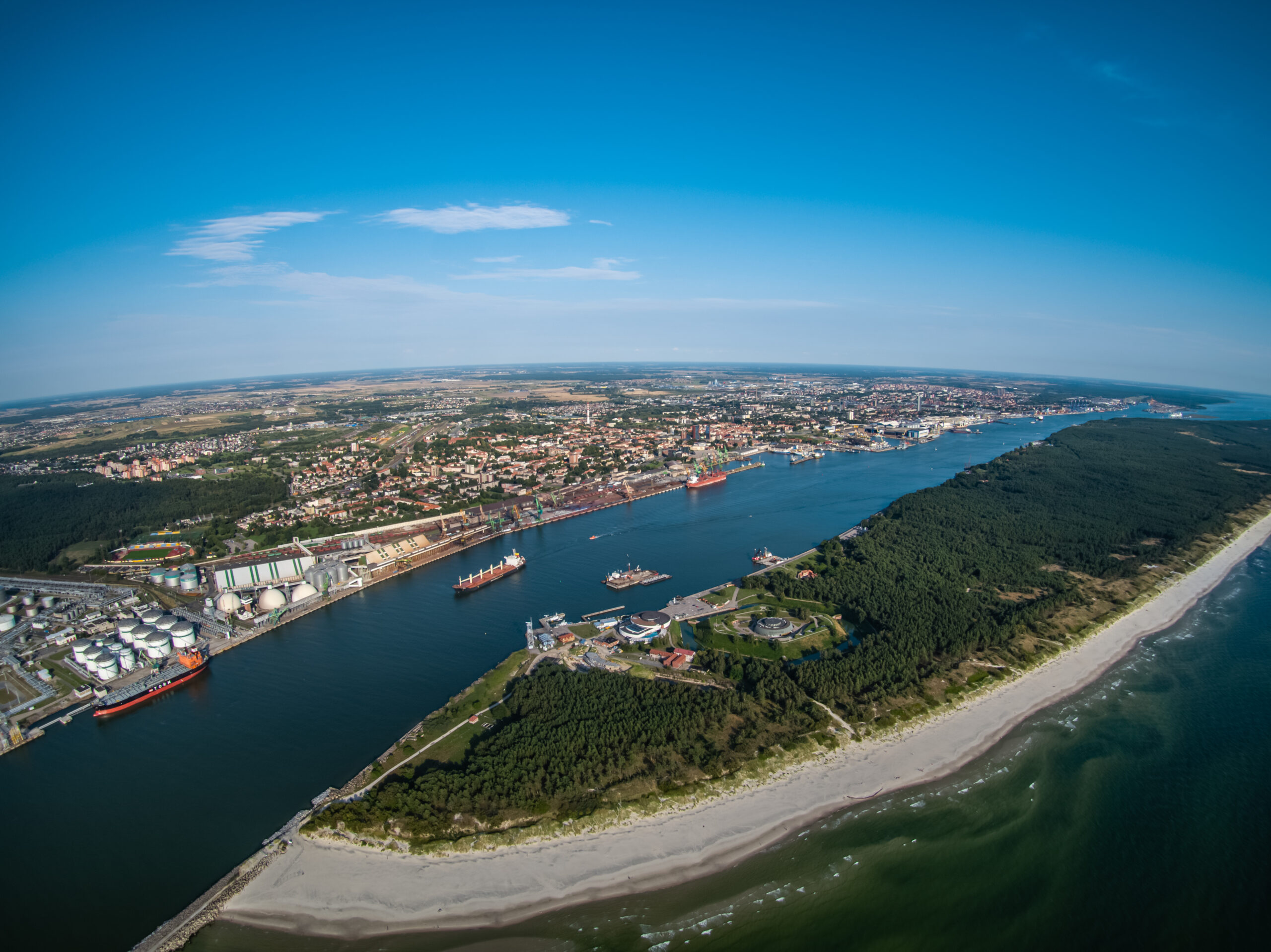
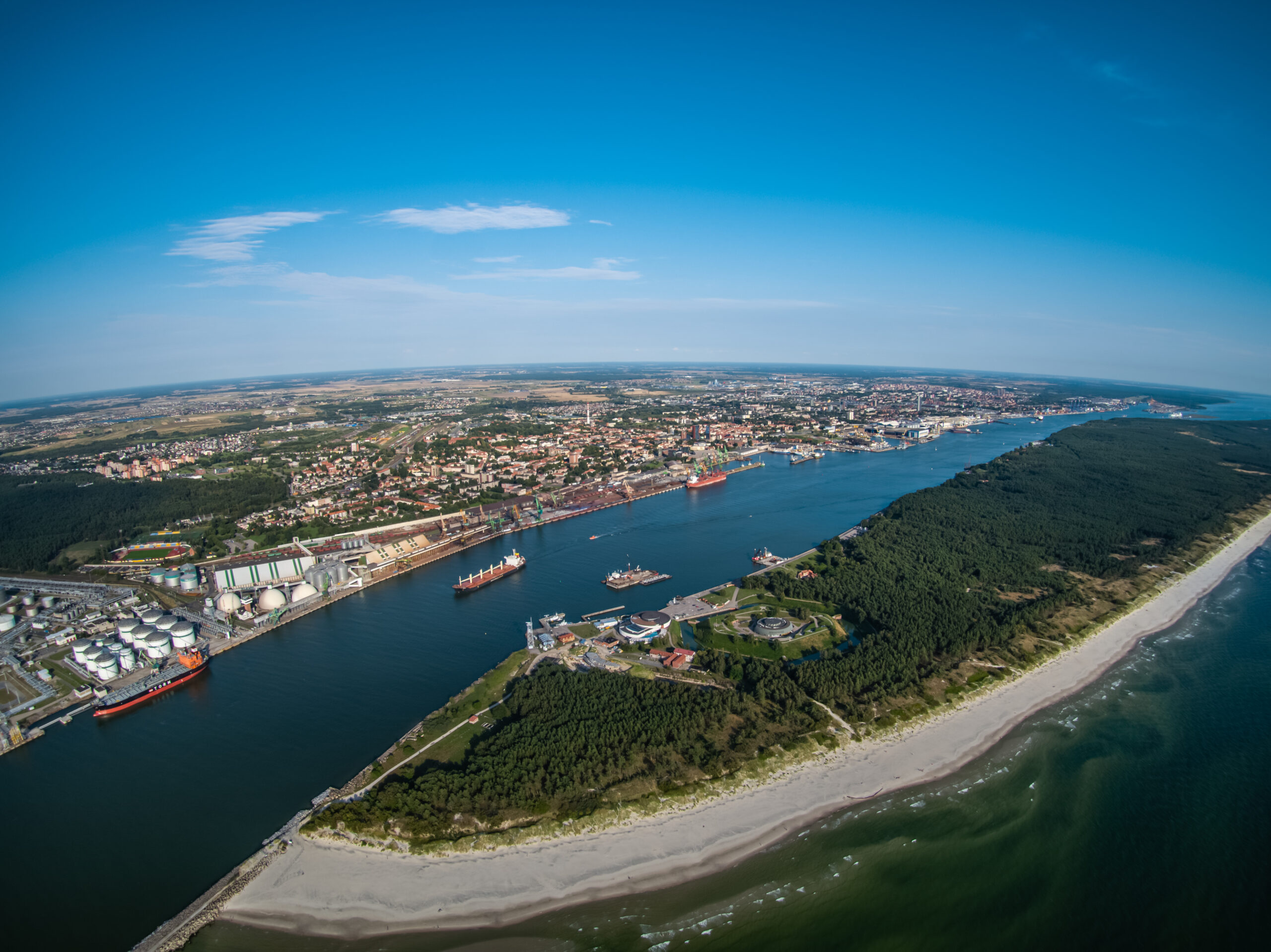
Since the establishment of the Klaipėda Port Authority in 1991, a new chapter began for the Port of Klaipėda as an independent port. Over more than three decades, it has changed significantly. Today, it opens Lithuania to the world, contributes significantly to the country’s economic stability, and has become a pillar of national energy independence and resilience. For 35 years, Klaipėda State Seaport Authority has been working for Lithuania, developing a modern, sustainable, and globally connected port.
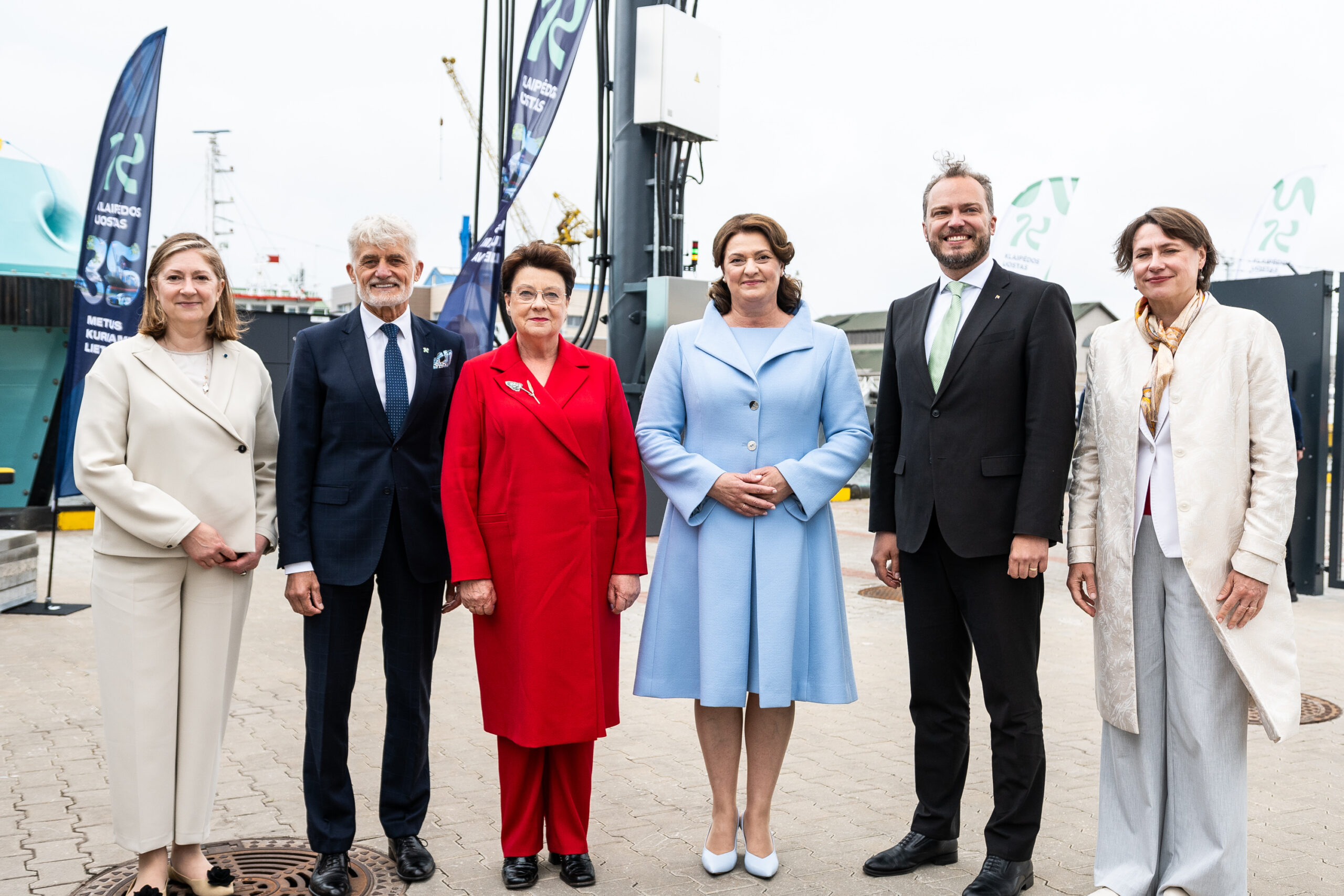
“The history of the Port of Klaipėda reflects the path of our country. The restoration of independence marked a turning point – the Port Authority was established, and intensive modernization began. From handling just a few tens of thousands of tonnes, the port has grown into a modern transport hub now handling tens of millions of tonnes of a wide range of cargo. Today, the port provides a strong boost to our economy, creates jobs, and contributes directly to the city’s development. Moreover, it has become a cornerstone of Lithuania’s energy independence and a reliable bridge to the West, connecting us with our allies and strengthening resilience to threats. Every innovative project, every meter of reconstructed quay or deepened channel reflects the Port Authority team’s commitment to growth, improvement, and value creation for Lithuania,” says Algis Latakas, CEO of Klaipėda State Seaport Authority.
The Port of Klaipėda connects Lithuania with nearly all continents. Its direct shipping routes include not only regional and European destinations but also distant countries such as the Bahamas, Kenya, Madagascar, Cameroon, and Vietnam, reflecting the wide geography of cargo flows. It is estimated that the port has trade links with around 70 countries worldwide.
Last year, a total of 39 million tonnes of cargo were handled at the Port of Klaipėda, with records achieved in seven cargo types and the milestone of 1 million TEU reached earlier than ever before.
Cargo volumes at the port reflect the state of the national economy, making the port a key pillar of Lithuania’s economic strength. Overall, the Port of Klaipėda generates around 6% of the country’s GDP. The Port Authority pays out about 70% of its net profit in dividends to the state each year, amounting to around €20 million annually.
By providing businesses with broad opportunities to export products worldwide and import raw materials and goods, the Port of Klaipėda also acts as a catalyst for investment. Companies operating in the Klaipėda Free Economic Zone say that without the port, major investors would not have considered investing in the region. Today, these investors generate around €1 billion in annual turnover.
Businesses investing in and operating at the port create jobs for people in Klaipėda and surrounding areas, generating income for the state and benefits for the whole country. Around 6,000 people work directly in the port, while including related industries, the total number of jobs reaches approximately 58,000.
The ability to attract businesses by offering favorable conditions is the result of consistent port development, investment, and modernization.
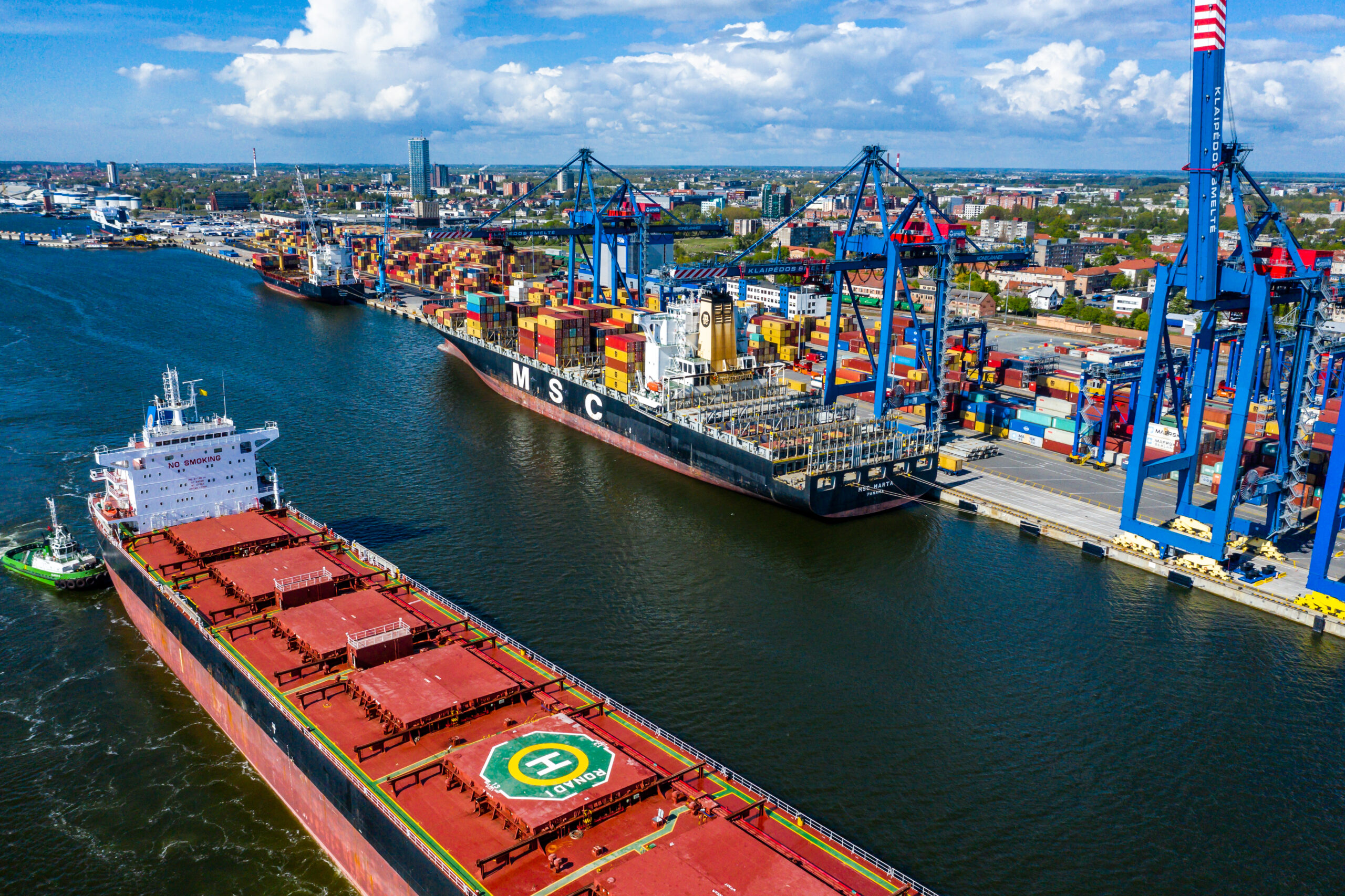
Today, more than 14 major companies operate at the port. Quays are continuously upgraded, breakwaters have been reconstructed, and the port’s internal channel depth reaches 15.5 meters. This allows the Port of Klaipėda to accommodate large ocean-going vessels with a draft of up to 14.1 meters, a length of 400 meters, and a width of over 60 meters. For comparison, such a vessel is roughly the length of four football fields.
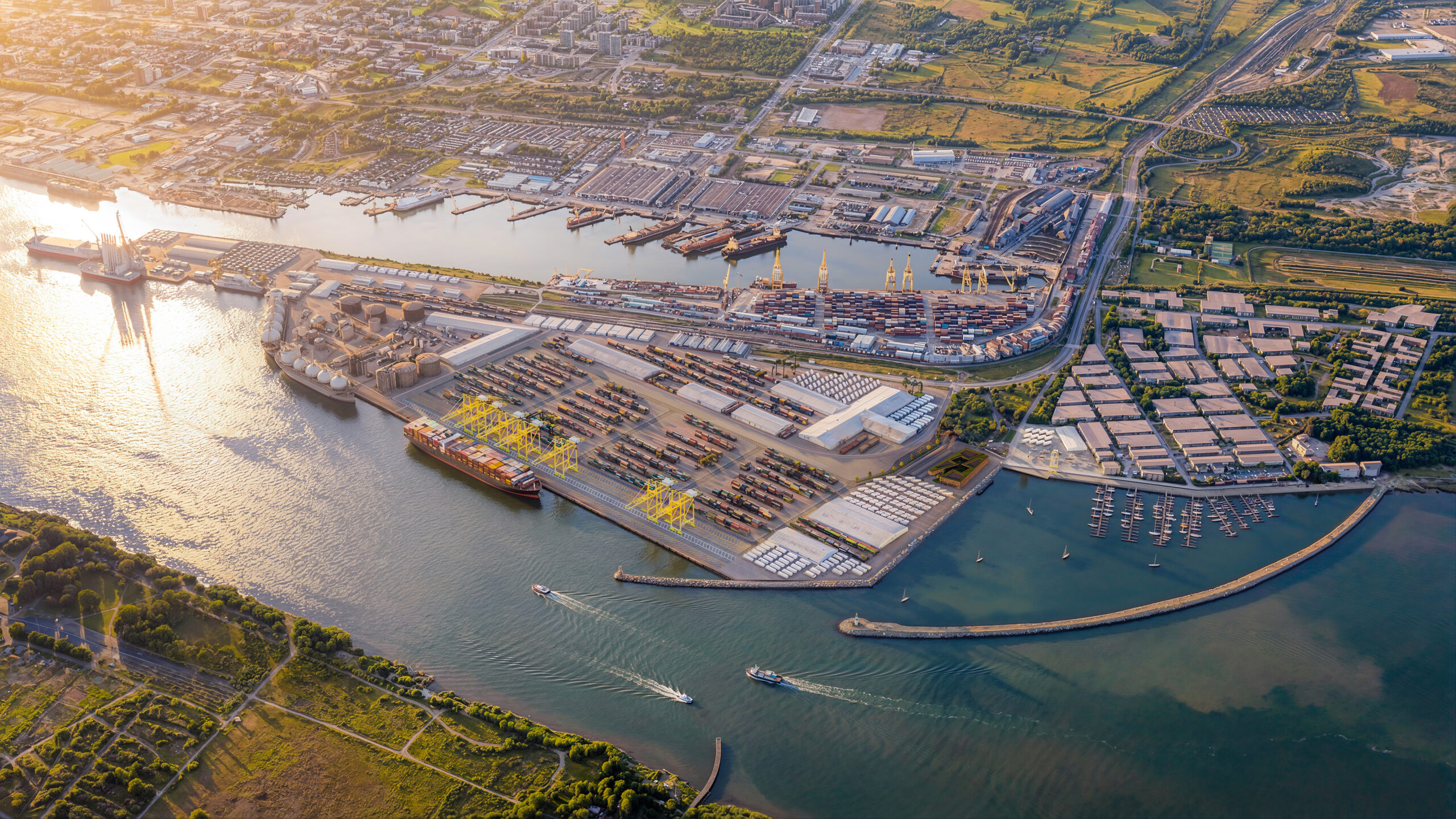
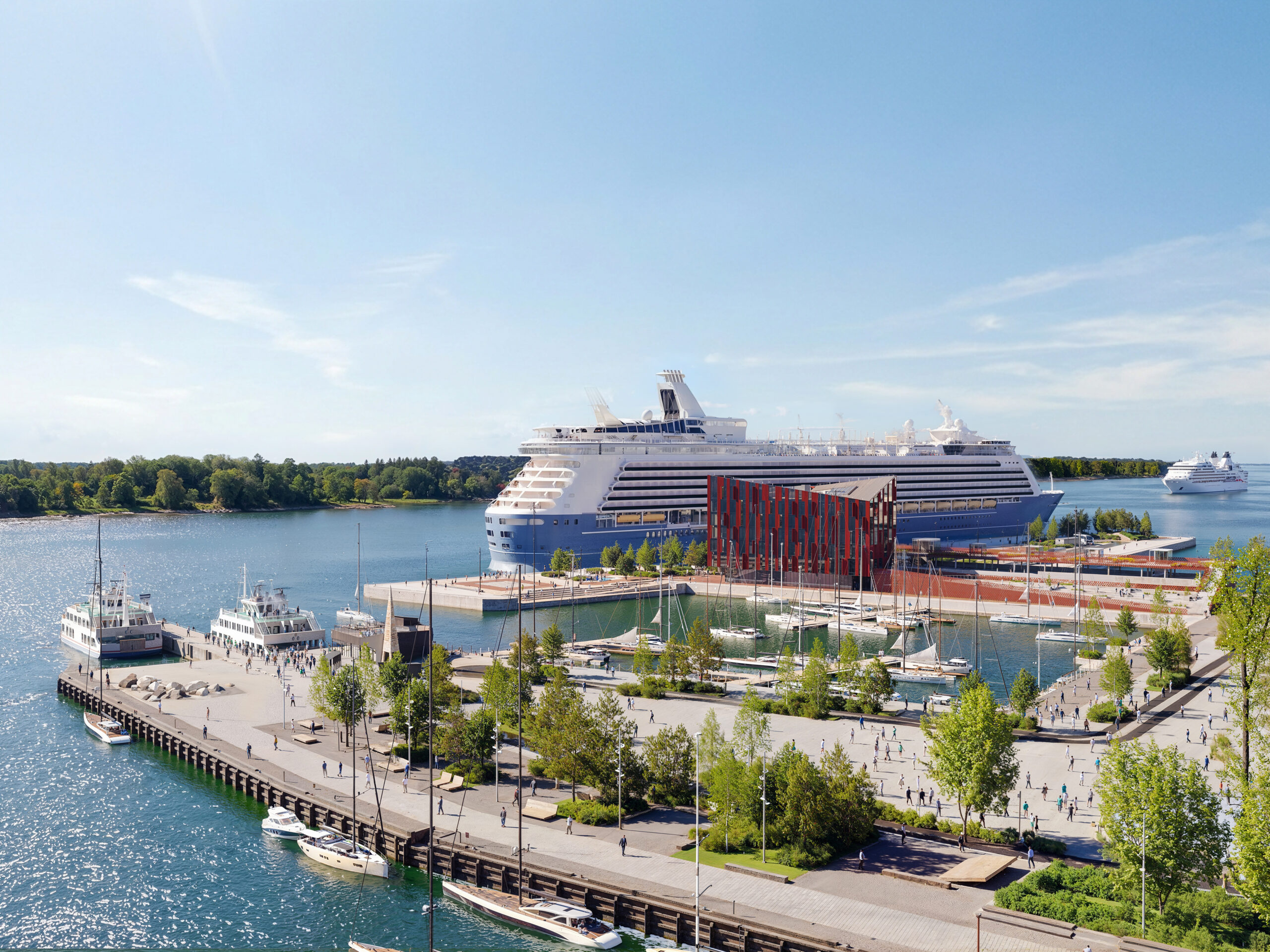
The Port of Klaipėda continues to unlock its potential, with the Port Authority looking ahead and working to ensure the best development opportunities that bring the greatest value to the state. Important steps are already being taken to develop the southern part of the port. This expansion – set to become one of the largest investment projects in Lithuania – will create opportunities for new terminals, attract domestic and international investors, strengthen the transport and logistics sector, and expand the labor market.
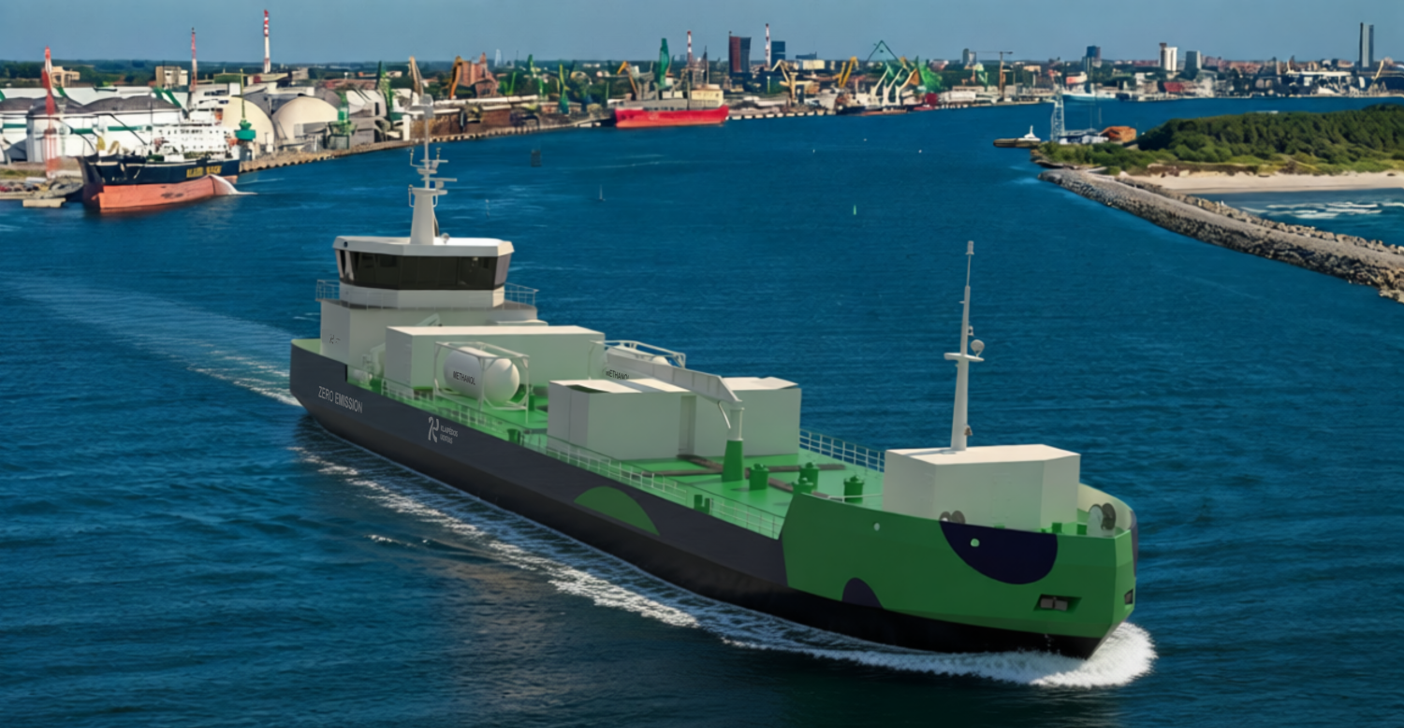
The port’s competitiveness and leadership in the Baltic region are further strengthened by a strong commitment to the green transition. Ambitious and innovative projects are being implemented, creating real environmental impact. Green hydrogen production, quay electrification, the renewal of fleets with environmentally friendly vehicles, emissions monitoring and control – these and other measures are helping to build a cleaner future and improve quality of life.
Today, the Port of Klaipėda is not only a powerful driver of the national economy but also an important element of national security. Its role is crucial in strengthening Lithuania’s resilience to external threats and ensuring military mobility.
Carefully planned investments, advanced projects, participation in various exercises, and the implementation of security measures ensure the port’s flexibility, continuous operation, and ability to serve as a key support point in times of crisis.
Allied forces already move through the Port of Klaipėda, where their logistical needs are efficiently met. To maintain readiness and respond to both national and regional security needs, the port consistently plans ahead, ensuring that development projects can also serve military mobility purposes. Both existing and new infrastructure are designed for dual use – commercial and military.
For more than a decade, the LNG floating storage and regasification unit “Independence” has been operating at the Port of Klaipėda, ensuring Lithuania’s energy independence and capable of meeting not only national but also regional gas demand.