

Project Overview
DeCoInter – Decarbonization of the Maritime Sector and Its Impact on Green Energy Transition is an international initiative that supports the transformation of ports in the South Baltic Sea region into active contributors to the green energy transition. As maritime transport remains a significant source of greenhouse gas emissions, seaports are uniquely positioned to accelerate decarbonisation both as major energy consumers and as hubs for energy storage, distribution, and innovation.
The project directly supports the goals of the European Green Deal and the REPowerEU strategy by promoting the use of renewable energy sources and alternative fuels such as hydrogen, methanol, ammonia, and electrification in port areas.
Recognising that technological development must be complemented by strategic planning and stakeholder cooperation, DeCoInter brings together research, digital tools, pilot actions, and training. It aims to strengthen the capacities of ports, local authorities, energy providers, and academia to implement effective and sustainable energy transition strategies.
Project Objectives
The main objective of DeCoInter is to enable ports in the South Baltic region to lead the green transformation of the maritime and transport sectors. The project addresses both the supply and demand aspects of the energy system, ensuring technical readiness, strategic alignment, and regional coordination.
Specific objectives include:
- Delivering targeted education and training programs for students and professionals in the fields of maritime logistics and renewable energy
- Developing a methodological framework for Seaports Energy Transition Strategies, including infrastructure prioritisation and policy development
- Creating a scenario-based model for the development of a green fuels value chain, covering production, transport, distribution, and consumption
- Raising awareness among port stakeholders about low-emission technologies, energy efficiency, and regulatory frameworks
- Designing and piloting digital tools that support decision-making related to investments and emission reduction
- Promoting cross-sectoral and cross-border cooperation among public authorities, port operators, universities, and the energy sector
- Delivering targeted education and training programs for students and professionals in the fields of maritime logistics and renewable energy

Key Results
- A digital mapping and prioritisation tool to guide energy transition planning in seaports
- A harmonised methodology for developing comprehensive energy transition strategies for ports
- A scenario model for the green fuels value chain to support strategic decision-making
- Implementation modules tested in selected pilot ports, including solutions for alternative fuel handling, energy infrastructure, and operational procedures
- Educational and training programs tailored for students and maritime sector stakeholders
- The establishment of the Regional Cluster for Seaports Energy Transition (RCSET), a cooperation platform to foster knowledge exchange and long-term impact

Programme and Funding
Programme: Interreg South Baltic Programme 2021–2027
Priority: Sustainable South Baltic – promoting sustainable development and the green and blue economy
Action: Supporting transition towards green energy
Total project budget: €2,134,730.00
EU co-financing (ERDF): €1,707,784.00 (€168,000 allocated to the Port of Klaipėda)
Project duration: January 1, 2025 – December 31, 2027
Geographical Scope & Target Groups
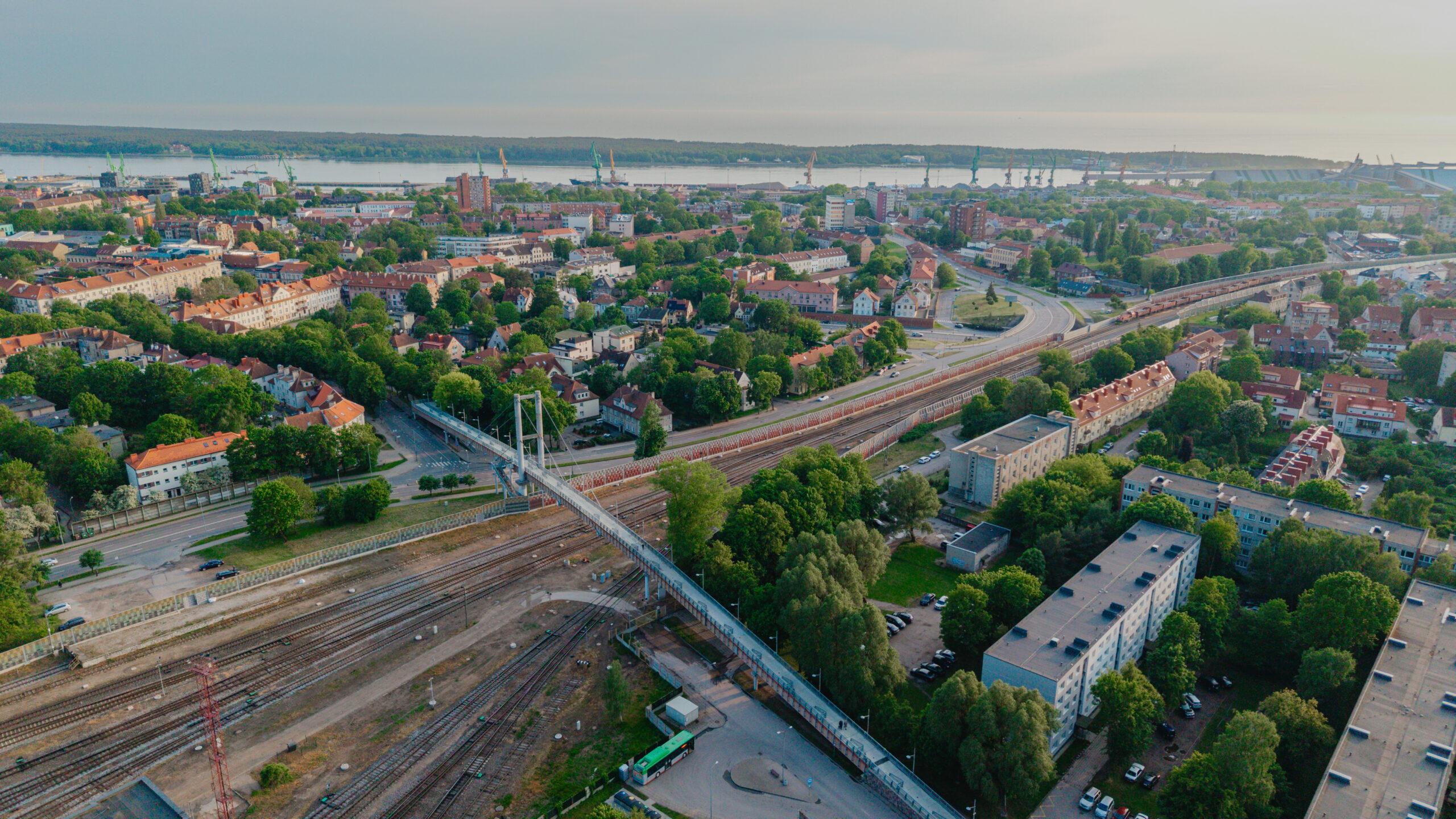
Where? Activities span across Poland, Lithuania, Sweden, Denmark, and Germany – emphasizing cross-border cooperation in the South Baltic region.
Who benefits?
- Port authorities & operators
- Local municipalities & logistics companies
- Energy sector entities
- Academia & students
- Regional policy – makers and innovation clusters
Project Partners
- The Association of Polish Regions of the Baltic Adriatic Transport Corridor (Lead Partner) – www.bac.pl
- Szczecin and Świnoujście Seaports Authority S.A. – www.port.szczecin.pl
- Klaipeda Science and Technology Park (LT) – www.kmtp.lt
- Gdynia Maritime University – www.umg.edu.pl
- Motus Foundation – www.motusfoundation.com
- Blekinge Institute of Technology (SE) – www.bth.se
- Port of Roenne (DK) – www.portofroenne.com
- CPL Competence in Ports and Logistics GmbH (DE) – www.c-pl.de
- Klaipėda State Seaport Authority (LT) – www.portofklaipeda.lt
